A New Year, A New Standard: Why Professional Cleaning Is No Longer Optional in 2026
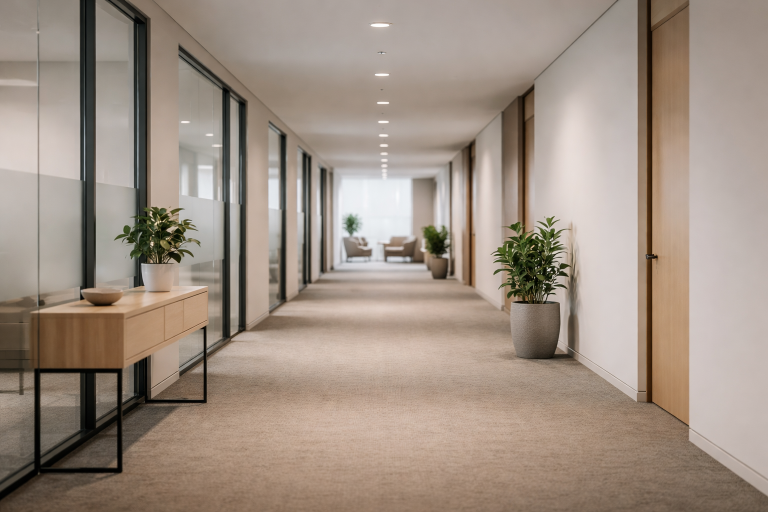
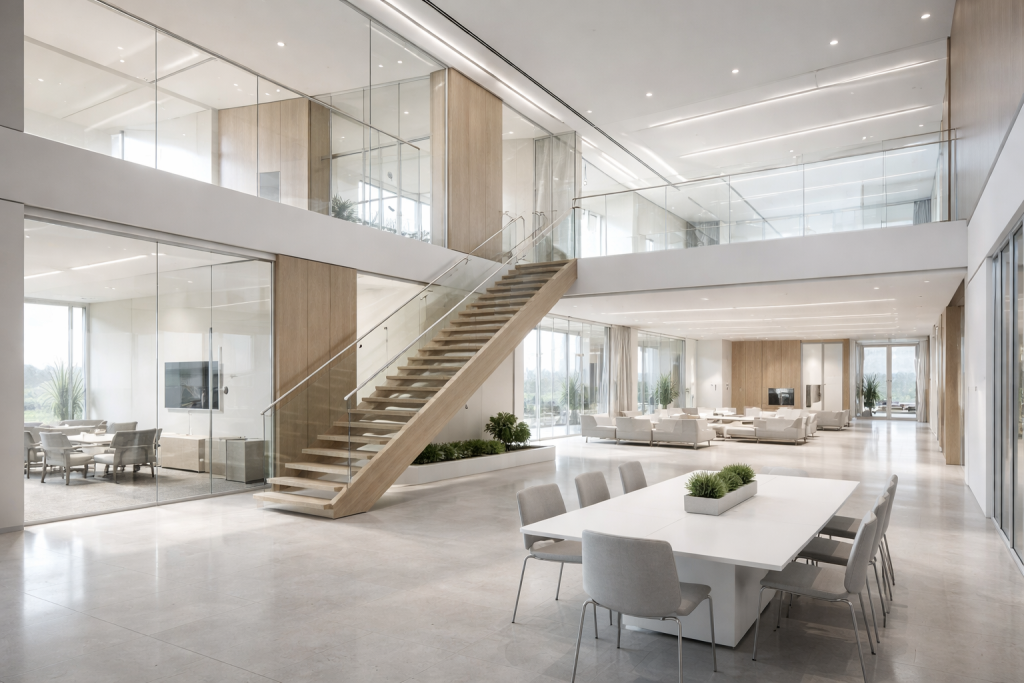
As organisations return to full operations after the festive season, many workplaces appear clean at first glance. Floors are polished, desks are cleared, and common areas look orderly. Yet January is often the month when underlying cleaning gaps begin to surface.
High foot traffic, closed facilities during year-end, climate conditions, and inconsistent routines all combine to expose a reality many businesses overlook: visual cleanliness is not the same as professional cleaning.
In 2026, this distinction matters more than ever.
When “Clean Enough” Is No Longer Enough
Across healthcare facilities, offices, schools, factories, and hotels, cleaning is often treated as a background task…something that simply needs to be done, quickly and quietly.
The issue is not whether cleaning happens. The issue is how it happens.
Unstructured cleaning routines, varying operator standards, and a lack of supervision often result in:
Inconsistent cleanliness across zones
Overlooked high-touch and high-risk areas
No clear accountability or reporting
A false sense of control
These gaps are rarely visible immediately. They become evident during audits, client visits, employee complaints, or operational disruptions, often when it is already too late to correct them.
What Changed Going Into 2026
Expectations around professional cleaning have shifted.
Workplaces today face:
Greater scrutiny from stakeholders and clients
Higher expectations from employees regarding their work environment
Increased awareness of contamination risks in shared spaces
More pressure on facility managers to justify standards, not just costs
In Mauritius, climate conditions further amplify the challenge. Heat, humidity, dust, and seasonal activity accelerate wear and contamination, making reactive or basic cleaning approaches ineffective over time.
Cleaning is no longer about maintaining appearances. It is about maintaining standards.
Why Basic Cleaning Approaches Fall Short
Many organisations still rely on:
Teams without sector-specific training
Limited quality control or supervision
No documentation to demonstrate consistency
While these approaches may reduce short-term costs, they often increase long-term risk—whether through reputational damage, operational inefficiencies, or corrective interventions that could have been avoided.
Professional environments require professional cleaning systems.
What Professional Cleaning Looks Like Today
In 2026, professional cleaning is defined by structure and accountability.
This includes:
Clearly defined cleaning scopes based on environment and activity
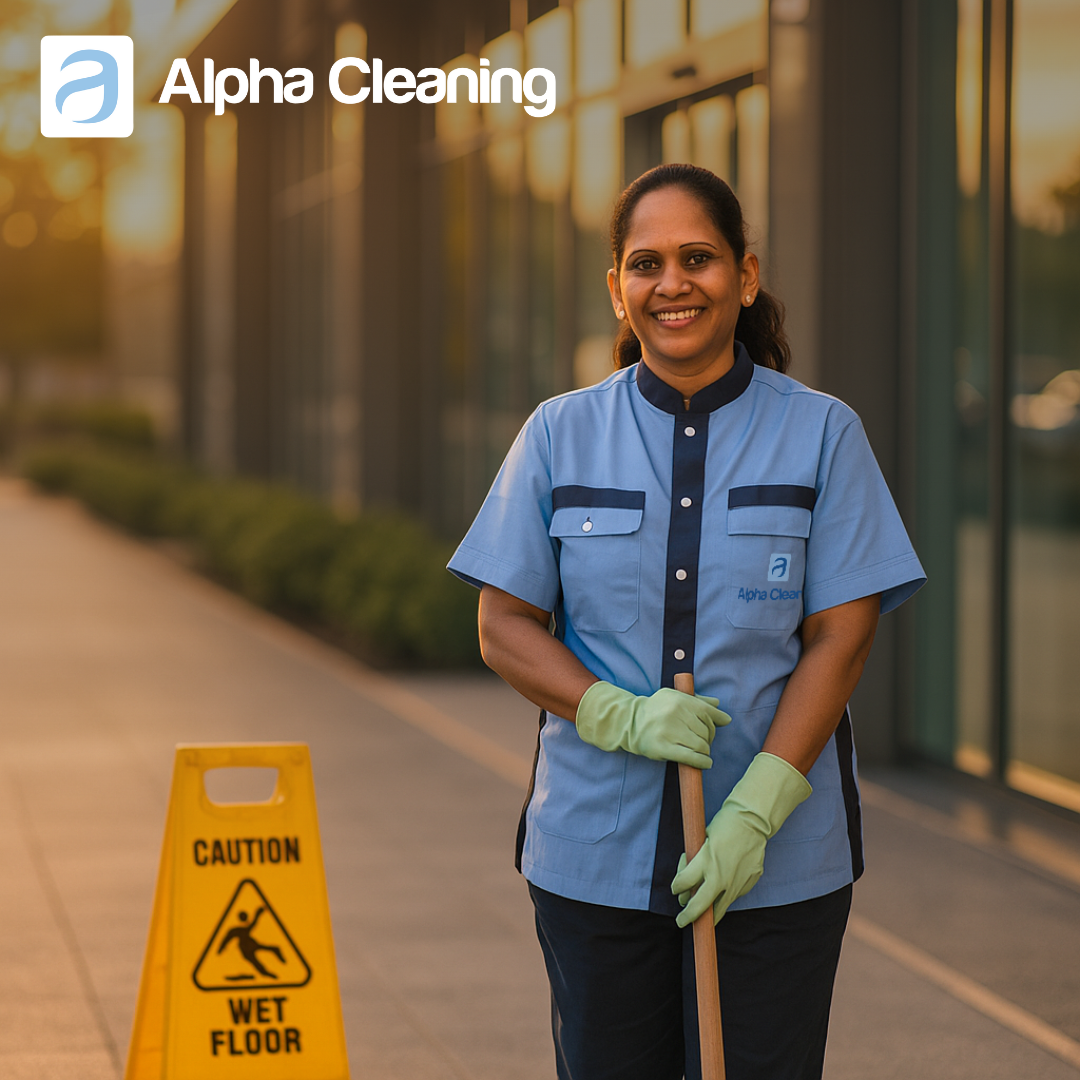
Trained operators who understand surfaces, products, and frequencies
Supervised execution with measurable quality checks
Consistent routines supported by reporting and traceability
Professional cleaning is proactive. It anticipates challenges rather than responding to complaints.
Why Experience Makes the Difference
Cleaning environments such as hospitals, financial institutions, schools, textile facilities, corporate offices, and hotels each present unique challenges. Experience allows a professional cleaning partner to recognise these differences and adapt accordingly.
It is experience that enables:
Better planning
Fewer disruptions
Higher consistency
Long-term reliability
In an environment where standards continue to rise, experience is no longer a “nice to have.” It is the foundation of effective professional cleaning.
Raising the Standard for the Year Ahead
The start of a new year is an opportunity to reassess more than just goals and budgets. It is an opportunity to reassess standards.
Organisations that succeed in 2026 will be those that move beyond assumptions and invest in structured, professional cleaning approaches that protect their people, their spaces, and their reputation.
Because when it comes to professional cleaning, experience truly makes the difference.
Speak to our Cleaning professionals
Contact Alpha Cleaning today, and take your cleaning standards to the next level.