Beyond Surface Cleaning:
What Deep Cleaning Really Means for Your Business
In today’s environment, the term deep cleaning is widely used yet rarely understood. For many businesses in Mauritius, deep cleaning is treated as an occasional add-on service. In reality, it is a structured technical process designed to restore hygiene standards, reduce contamination risks and protect your brand reputation.
As cleaning professionals with decades of operational experience, we believe it is important to clarify what deep cleaning actually involves and why it should never be confused with routine surface cleaning.
Surface Cleaning and Deep Cleaning: Understanding the Difference
Surface Cleaning Daily Maintenance
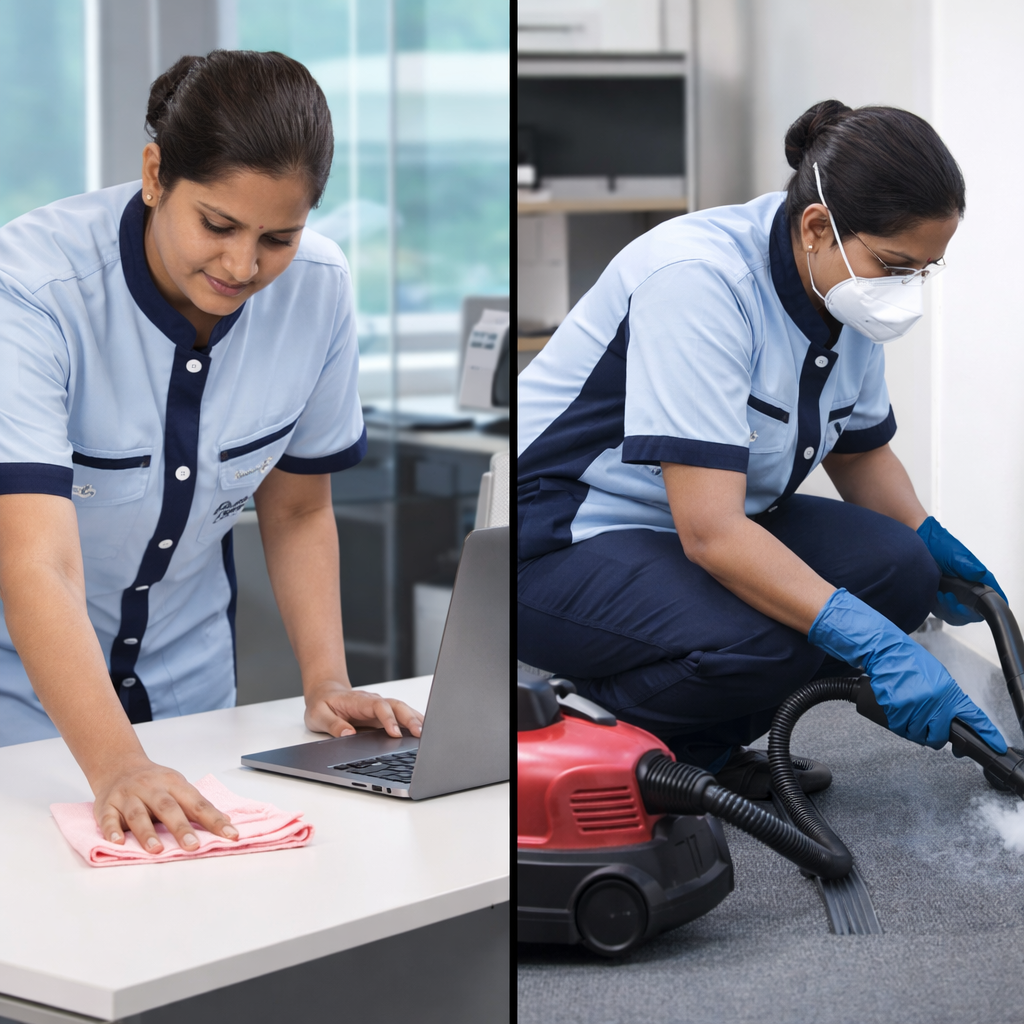
Surface cleaning focuses on visible areas such as Wiping desks and counters Sweeping and mopping floors Emptying bins Cleaning accessible glass surfaces
This type of cleaning maintains appearance and basic hygiene. However, it does not address embedded dirt, bacteria accumulation, grease build-up or hidden contamination.
Surface cleaning is about presentation.
Deep Cleaning A Restorative and Technical Process
Deep cleaning is a systematic process that targets areas not covered in routine cleaning cycles.
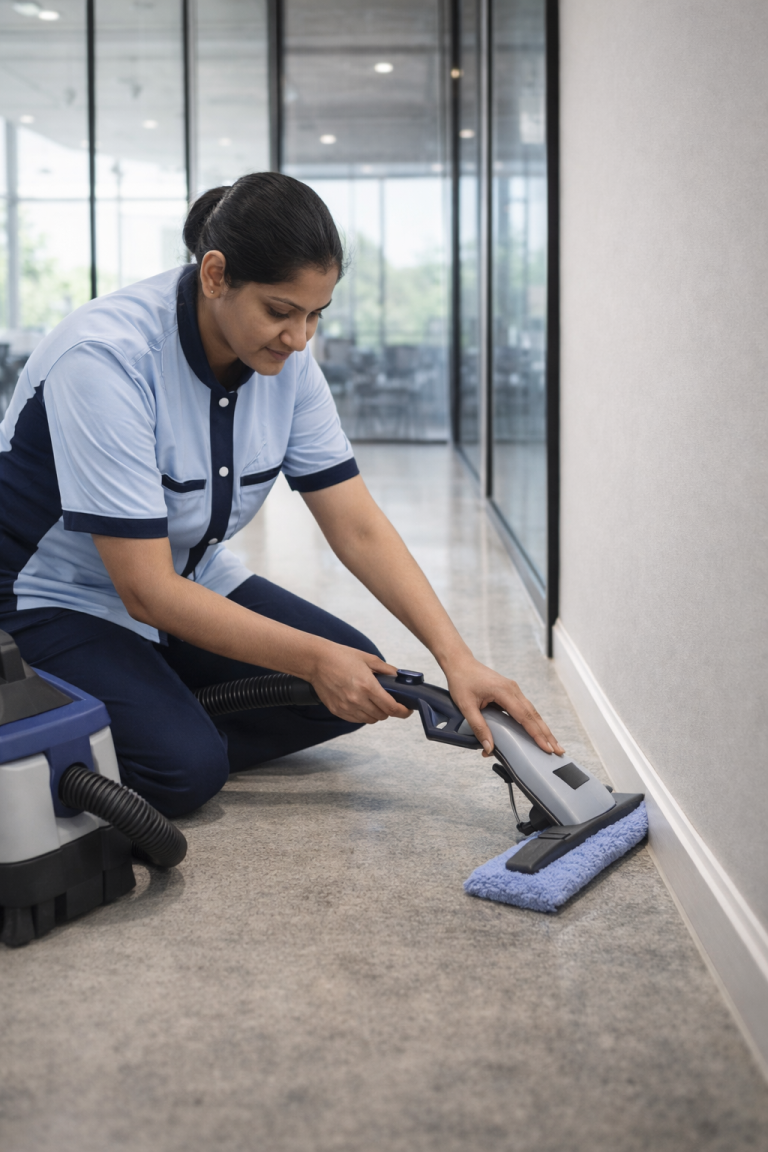
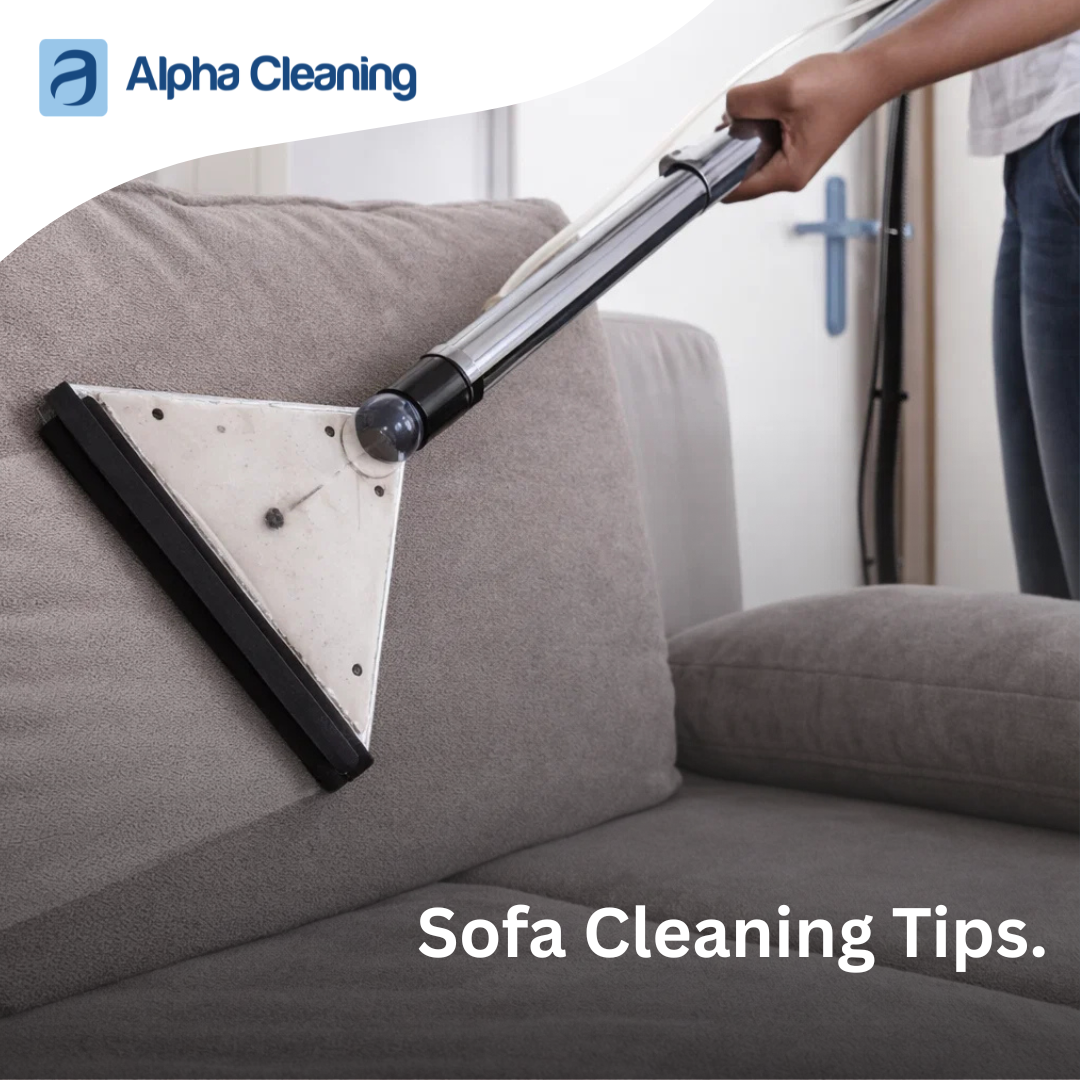
It includes Cleaning behind and beneath furniture Removing embedded dirt from tiles and grout Degreasing kitchen extraction areas Machine scrubbing of hard floors High-level dust removal Upholstery and fabric treatment Sanitisation of high-touch points Detailed washroom descaling
Deep cleaning is about restoration and hygiene performance.
It requires trained personnel, proper chemical selection, mechanical equipment and structured supervision.
Why Deep Cleaning Matters for Businesses
Tropical climate presents unique cleaning challenges, including High humidity, which encourages mould growth Dust accumulation accelerated in coastal regions Hospitality environments with constant turnover Construction dust that lingers long after handover
Without periodic deep cleaning, these factors can compromise indoor air quality hygiene standards and guest experience.
For hotels, offices, retail outlets, clinics and commercial properties, this directly impacts Customer perception Health and safety compliance Employee wellbeing Asset lifespan
Deep cleaning protects both your premises and your reputation.
Deep Cleaning, Sanitisation and Disinfection
These terms are often used interchangeably, yet they are technically different.
Deep cleaning removes embedded dirt and contaminants. Sanitisation reduces bacteria levels to safe thresholds. Disinfection eliminates harmful pathogens using approved chemical agents.
A structured hygiene strategy may require all three depending on the environment and risk level.
Understanding this distinction is critical when selecting professional cleaning services in Mauritius.
How Often Should Deep Cleaning Be Performed
Frequency depends on industry and foot traffic.
Offices every three to six months Hospitality environments, seasonal or quarterly Restaurants and kitchens monthly to quarterly Post construction before handover Medical facilities risk based scheduling
A professional cleaning assessment ensures the correct schedule is applied.
What Professional Deep Cleaning Requires
True deep cleaning is not labour heavy it is process driven.
It requires Trained and supervised teams Correct dilution ratios and chemical safety Mechanical scrubbers and extraction machines Risk assessments Quality control checklists Compliance awareness
Without these elements deep cleaning becomes a marketing phrase rather than a measurable service.
Moving Beyond Appearance
A clean space is not just about what is visible. It is about hygiene integrity operational standards and long term maintenance.
Businesses that invest in structured deep cleaning programmes experience Improved indoor environments Reduced long term maintenance costs Better first impressions Higher employee satisfaction
Deep cleaning is not an expense. It is preventative maintenance.
Looking for Professional Deep Cleaning Services in Mauritius, Rodrigues and Madagascar
Whether you manage an office hotel commercial building or retail space understanding the difference between surface cleaning and true deep cleaning ensures informed decisions.
If you would like a professional assessment of your premises and tailored recommendations our team can guide you through the process.
Speak to our Cleaning professionals
Contact Alpha Cleaning today, and take your cleaning standards to the next level.